
What are the signs and symptoms of Duchenne?
Knowing the signs of Duchenne is important, because early recognition empowers families to seek support, connect with others facing similar experiences, and prepare emotionally.
Common or early signs
Duchenne children usually start showing signs and symptoms between 2 – 4 years of age and they include:1

Delay in independent standing
Enlarged calves
Walking on the balls of their feet (tip-toe gait)

Difficultly walking, jumping and hopping
Frequent falls
Using the Gower’s Manoeuvre
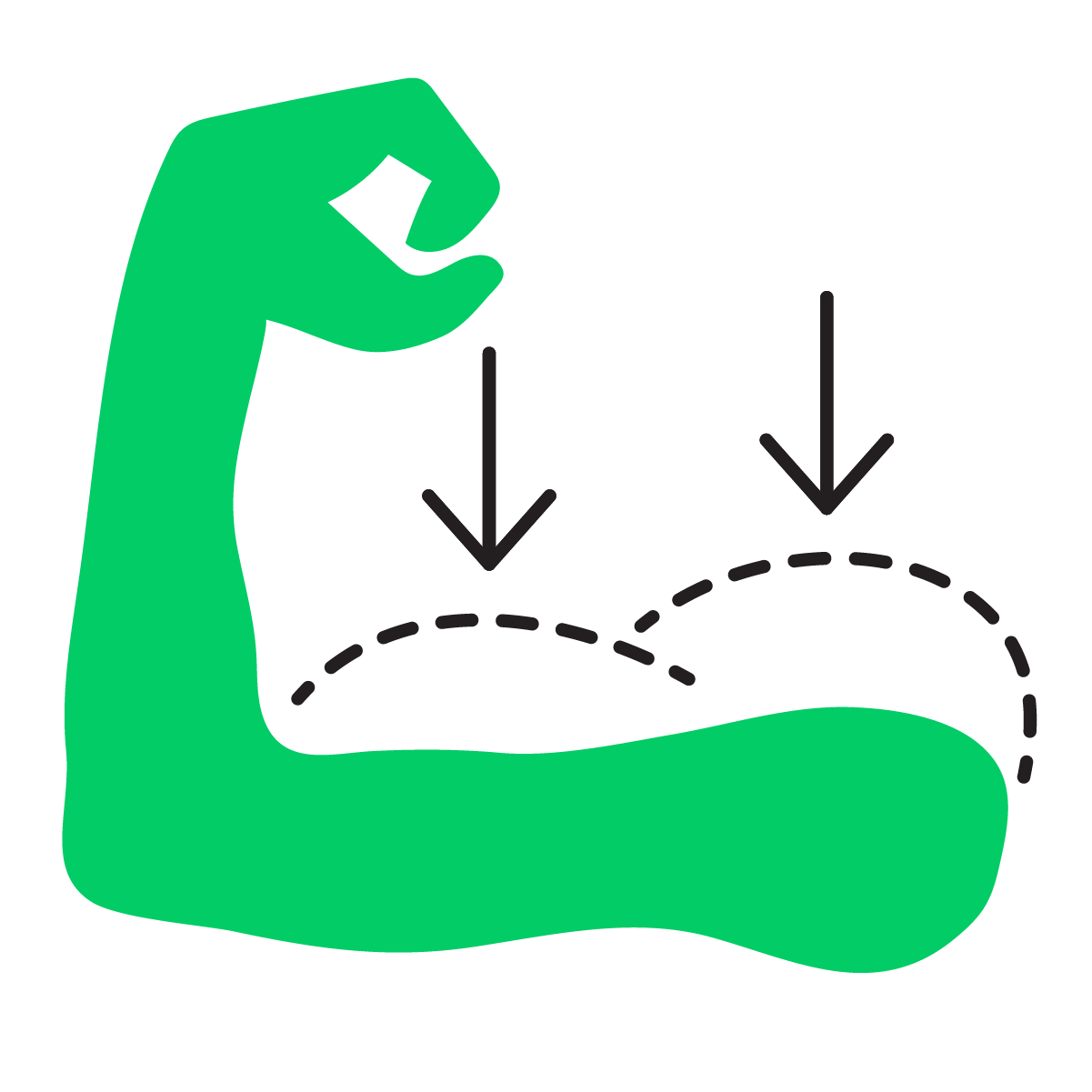
Progressive muscle weakness
Fatigue2
Weakness in the legs, pelvis, arms and neck
Why do the early signs of Duchenne sometimes go unnoticed?
They can be subtle, like frequent falls or difficulty climbing stairs.3 Whilst most cases are diagnosed early, it is important that the
symptoms are reported to a healthcare professional as soon as they become apparent.
Progression
As the disease progresses, muscle weakness becomes more pronounced, leading to increased difficulties with mobility and daily activities. Initial symptoms begin progressing to the arms, lower legs, and trunk (usually during teenage years). Over time the disease also compromises the correct functioning of the heart and lungs. The reduction or absence of dystrophin in the muscles can affect the heart and lungs.1
Difficultly raising arms
Loss of ambulation
Scoliosis (spine curve disorder)
Respiratory impairment
Restrictive lung disease
Need for ventilatory support
Arrhythmia
Cardiomyopathy
Heart failure
Duchenne progresses differently in every person
Despite their genetic mutation, everyone living with Duchenne will display their own symptoms at different stages. The progression of the disease and symptoms will vary from subtle to severe symptoms. These can be early or late onset.4
Duchenne affects not only physical health but also mental health.1 Families face the challenges of caregiving, adapting to changing abilities, and coping with uncertainty.5
